Vegetables and fruits
Aim for variety in colour and texture. Include raw and cooked options across the day for fibre and micronutrients from whole foods.
Templates and examples help you rotate ingredients through the week. Adjust portions to your appetite and professional advice where relevant.
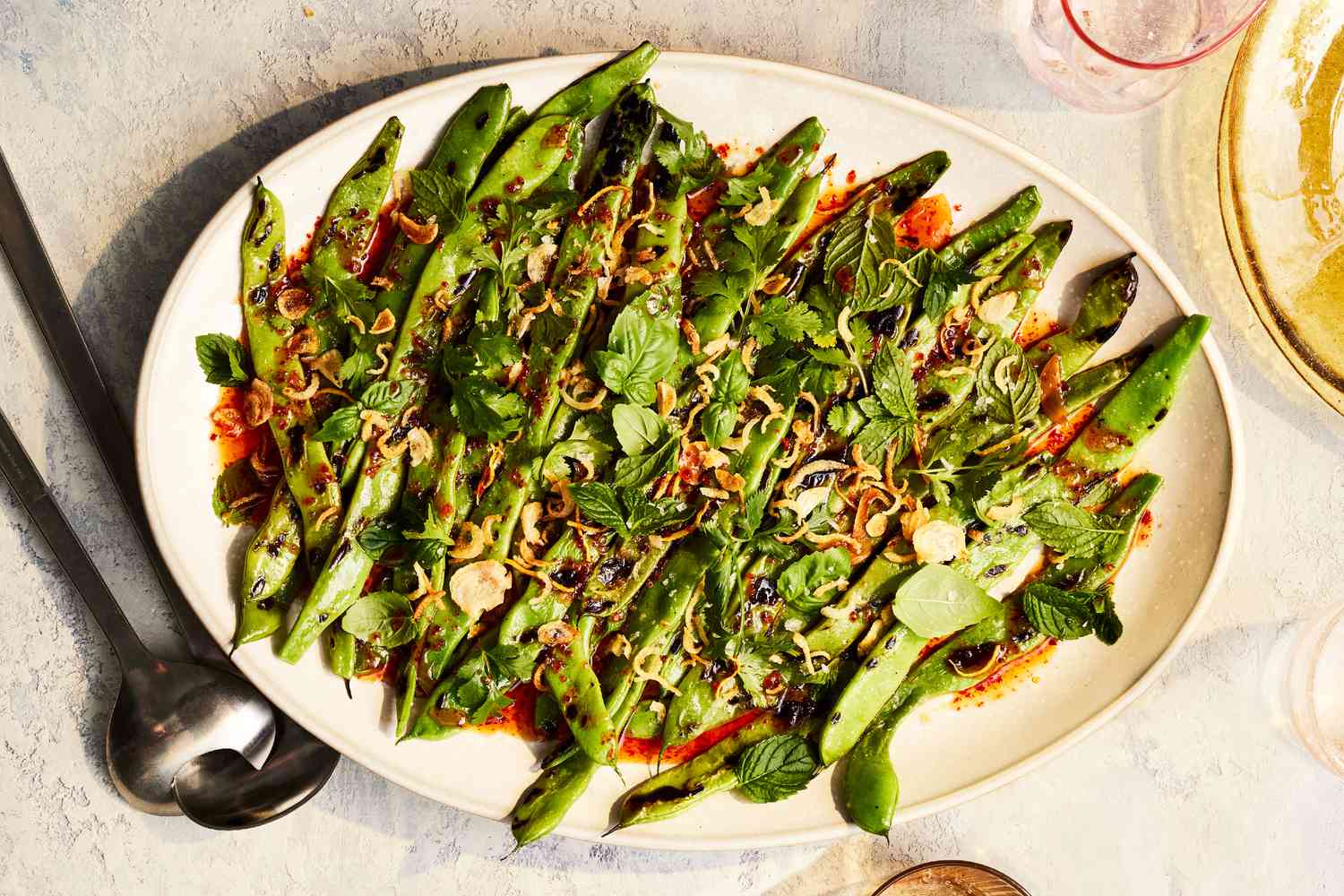
Framework
Aim for variety in colour and texture. Include raw and cooked options across the day for fibre and micronutrients from whole foods.
Rotate legumes, fish, eggs, dairy, and lean meats according to preference and cultural habits.
Choose oats, brown rice, potatoes with skin, and wholegrain breads for sustained energy. Adjust quantities to activity level.
Water remains the default beverage. Limit sugary drinks. Herbal teas can complement meals without added sugars.
Week structure
Overnight oats with seeds for breakfast. Lunch wraps with hummus and salad. Evening tray bake with root vegetables and chickpeas.
Yoghurt with fruit and nuts. Grain bowl with leftover roast vegetables. Stir-fry with tofu or chicken and brown rice.
Flexible meals with pantry staples. Encourage shared cooking and lighter desserts based on whole ingredients.
Resources
Guides include allergen labelling reminders, UK seasonality charts, and freezer storage timelines. Purchases deliver links by email.
Month-by-month UK availability to support shopping lists and budget planning.
Staples for quick meals: oils, vinegars, spices, tinned legumes, and whole grains.
Winter
Soups, stews, citrus, frozen berries
Spring
Asparagus, leafy greens, lighter proteins
Summer
Salads, grilling, hydration emphasis
Autumn
Squash, apples, warming spices
Quick answers about our educational meal content.